

Advertising
Why Agencies Using The Right White Label Platform Become Harder to Replace and Retain Clients?
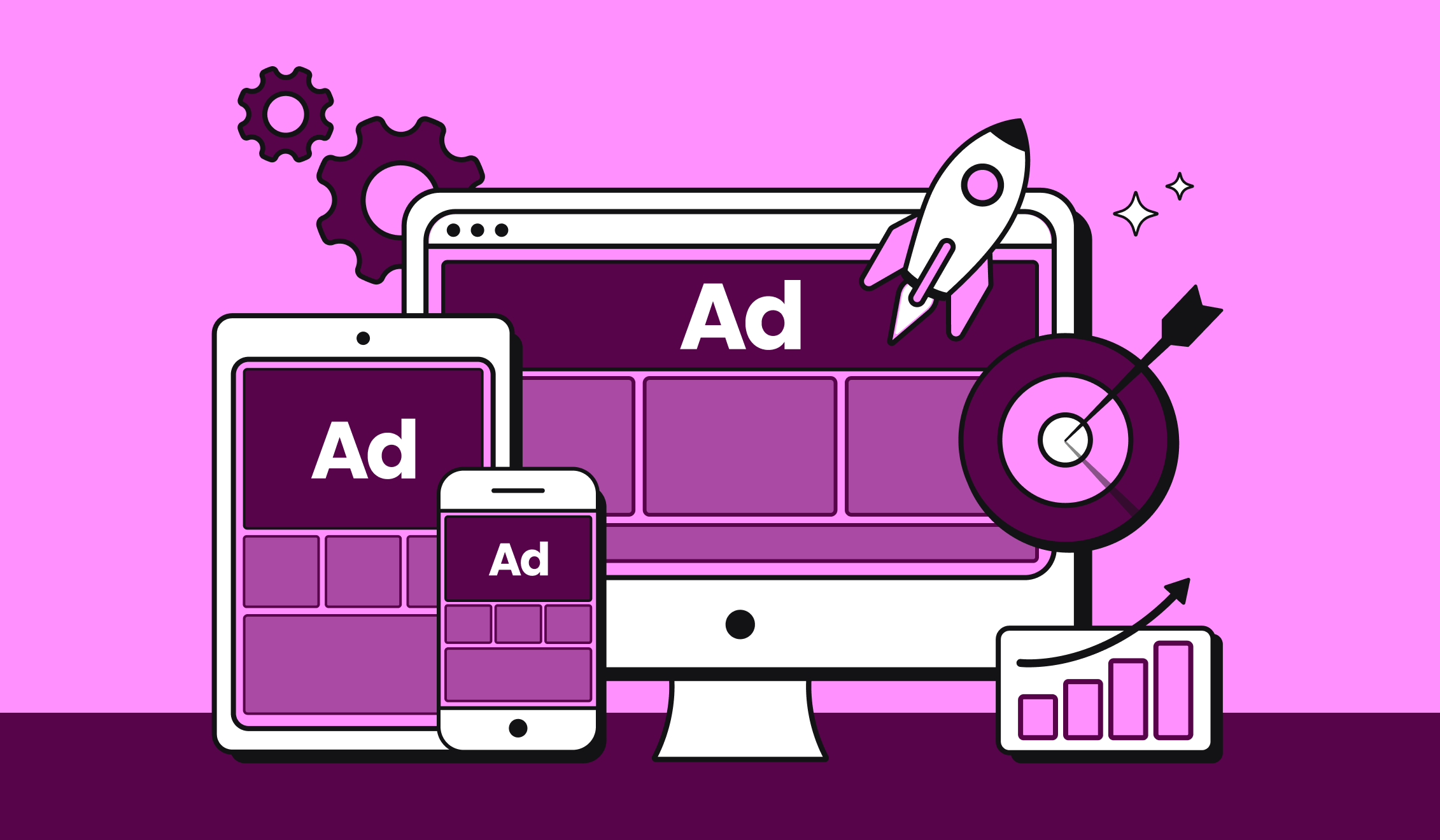
Client churn is quietly one of the most damaging problems an agency can face. You deliver results, the client says thank you, and then they leave anyway , for a cheaper option, an in-house hire, or simply because nothing was keeping them locked in.
Strong campaign performance used to be enough. It no longer is. The agencies holding onto clients longest right now are not just running better ads. They are building systems that their clients depend on every single day. In this blog, we will read about Plai and how its white-labeling feature makes agencies harder to replace!
What Is Plai White Labeling for Agencies?
White labeling, in simple terms, means taking an existing platform and launching it under your own brand. Your logo, your domain, your name on the login screen. The client never sees the technology powering it; they just see you.
Plai offers white label marketing tools that make this possible for marketing agencies without requiring a development team or a six-figure software budget. You get a fully functional AI-powered advertising platform that looks and feels like something you built yourself.
That shift matters more than most agency owners realise. When a client logs into your platform to check their campaigns, approve creatives, and review performance, the relationship changes. You stop being a vendor they hired. You become the system their business runs on.
What Is Client Retention and Why Is It Important for Agencies?
Understanding client retention means looking beyond monthly revenue and asking a harder question: are clients staying because they want to, or because switching just hasn't felt urgent yet?
In an agency context, retention is about account stability over time, clients renewing, expanding their spend, and referring others, rather than quietly shopping for alternatives.
Why it matters comes down to four things:
Acquiring a new client costs significantly more than keeping an existing one. Retained clients generate predictable recurring revenue, which makes forecasting and hiring decisions far less stressful. Over time, a long-term client is worth multiples of their initial contract value. And clients who genuinely trust you become your most reliable source of referrals and expansion opportunities , the kind of growth that doesn't require a sales team.
How White Label Platforms Make Agencies Harder to Replace
1. Agencies Become Part of the Client's Daily Workflow
When clients log into your branded platform to check ad performance, schedule social posts, or pull reports, that habit builds dependency , not in a manipulative way, but in the same way any tool a business uses daily becomes difficult to walk away from.
2. Clients Rely on the Agency's Systems, Not Third-Party Tools
Without a white-label setup, your clients are often using Meta Ads Manager, Google Ads, and a handful of disconnected tools they could access without you. Bring those capabilities inside your own platform, and you become the hub. Leaving you means losing the system, not just the service.
3. Branded Experiences Build More Trust and Authority
There is a real psychological difference between a client logging into ads.youragency.com versus being handed a login to a tool they recognise from somewhere else. Owning the experience signals that you are a serious operation. It raises your perceived authority before a single result comes in.
4. Operational Efficiency Improves Client Satisfaction
Faster campaign launches, cleaner reporting, and smoother onboarding reduce the friction points that silently frustrate clients. Most churn does not stem from a single major failure; it accumulates from small annoyances over time. A well-run platform removes most of them.
5. Platform Access Creates Higher Switching Costs
Once a client's campaigns, creative templates, audience data, and performance history live inside your platform, moving to a competitor becomes genuinely costly. Not impossible , but complicated enough that most clients won't bother unless they have a serious reason to leave.
6. Subscription-Based Relationships Keep Clients Engaged Longer
Shifting clients from project-based billing to a platform subscription changes the nature of the relationship. It becomes ongoing rather than transactional, and clients who are paying for access think about your agency differently than clients who are paying for a one-off deliverable.
Features to Complement Your White Label Platform
1. Manage All Client Campaigns in One Place:
Running Facebook and Google Ads across a growing client base gets messy fast. A unified dashboard cuts the tab-switching and gives your team a cleaner way to manage execution without things falling through the cracks.
2. Automated Optimizations Across Client Accounts:
Plai applies optimization rules automatically across campaigns, which means your team is not manually babysitting every account. Performance stays consistent even as your client list grows.
3. Reporting for New and Imported Campaigns:
Clients want to see what their money is doing. Transparent, accessible reporting , all in one place, under your brand , removes the need for clunky spreadsheet updates and gives clients confidence without requiring a monthly call to explain everything.
4. Save Templates and Audiences Across Clients:
When a creative format or audience setup performs well for one client, you can replicate it across others. This is one of the less-talked-about advantages of running a centralised platform: institutional knowledge compounds.
5. Fast Client Onboarding With White-Labeled Access:
First impressions shape client relationships for a long time. Giving a new client a clean, branded login experience on day one sets a very different tone than forwarding them a third-party tool link.
6. Charge Clients by Ad Spend or Subscription:
Plai supports both usage-based and recurring billing through Stripe, giving agencies flexibility in how they monetise the platform and creating the kind of structured financial relationship that naturally extends client tenure.
Why Agencies Choose Plai
Building something like this from scratch would take months and cost far more than most agencies can justify. Plai AI removes that barrier entirely , no development team, no six-figure budget, no waiting.
It supports two revenue streams simultaneously: service income and SaaS platform access. That combination makes your agency more resilient and less dependent on any single client relationship.
Most importantly, daily platform usage keeps your agency visible between campaign updates. Clients log in, see your brand, and stay longer.
FAQs
Q1: How does white-label software help agencies reduce client churn?
It embeds the agency into the client's daily operations. When campaigns, data, and workflows all live inside a platform the agency controls, leaving becomes a logistical decision , not just a preference.
Q2: Can growing agencies use Plai without a development team?
Yes. Plai is built specifically so agencies can launch a fully branded platform without writing code or managing infrastructure.
Q3: Why do clients stay longer with agencies that offer their own platform?
Because the relationship shifts from service provider to essential system. Switching costs rise, trust builds faster, and the agency becomes genuinely difficult to replace.


Similar posts

.jpg)

⚡Trusted by 200K+ campaigns


