

Advertising
How Can AI Help Agencies Deliver Consistent Results Across Every Ad Platform?
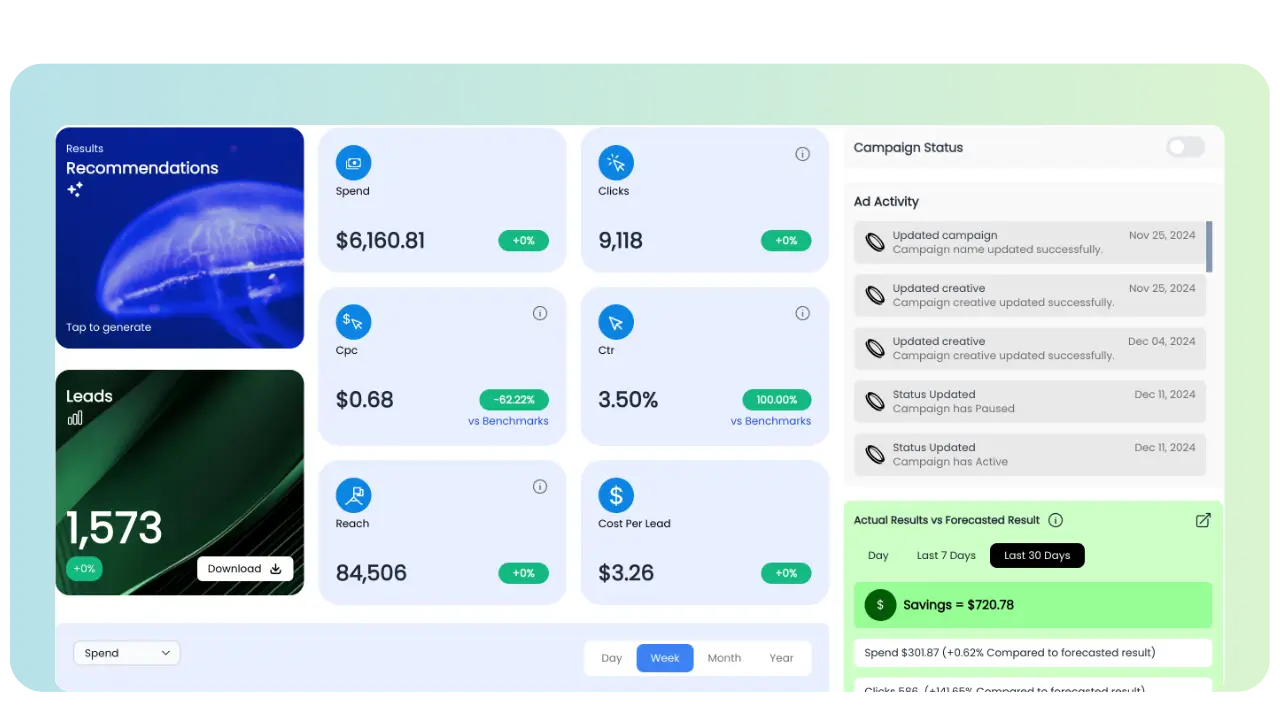
If you’ve ever managed campaigns across multiple ad platforms, you know how quickly things can get messy. Each platform has its own rules, its own format requirements, and its own way of measuring performance. So even when you start with the same idea, the execution can end up looking like five different strategies. That is where AI becomes really helpful.
When we talk about AI for marketing agencies, we are not talking about replacing people. We are talking about giving teams a smarter way to keep everything consistent across platforms without chaos. AI makes it possible to run campaigns that feel like one unified strategy, even when they are spread across search, social, video, and messaging channels. It helps teams work smarter, not harder.
Why Consistency Is So Hard Across Platforms
Consistency is hard because every platform has its own language. One platform might reward video, another rewards search intent, and another wants short and punchy text. Even if your strategy is strong, the way it is executed can easily become inconsistent. You might start with a strong message on one platform, but by the time it gets adapted for another, the tone changes, the visuals shift, and the tracking becomes inconsistent. The result is a campaign that does not feel unified.
On top of that, clients expect fast results. They want campaigns launched quickly, but they also want everything to look and feel the same everywhere. That balance is tough when you are building everything manually. It takes time, and the more platforms you add, the more likely mistakes become. That is why agencies often struggle to deliver consistent results.
AI Makes Campaign Setup More Reliable
The biggest benefit of AI ad management for marketing agencies is that it removes the messy part of campaign setup. Instead of manually building each campaign on every platform, you start with a simple brief. You answer a few questions like what the goal is, who the audience is, what the budget is, and which platforms you need. From there, AI builds the campaign structure based on best practices and proven patterns.
This is where consistency starts. Once the campaign structure is generated, it is easier to keep everything aligned across platforms. The team is not building from scratch anymore. They are reviewing, tweaking, and approving. This means campaigns can launch faster without sacrificing quality or accuracy.
Keeping Messaging Consistent Everywhere
Messaging drift occurs when the same message is used across multiple platforms. A great headline on one platform doesn't translate to another. AI ensures this does not happen by taking the same message and converting it appropriately to each platform using the same core message as a basis.
AI can adjust the language and tone of a message to match the specific requirements of different platforms, yet it will keep the core message the same. Additionally, AI can ensure that any calls-to-action remain aligned and that the brand voice remains consistent across all placements. Because of this consistency, your audience will receive the same message regardless of what platform they are on, which builds trust and improves performance.
Reporting That Actually Makes Sense
Reporting is where things often fall apart. Each platform has its own metrics, and comparing results can feel like comparing apples and oranges. AI reporting brings everything into one view. It aligns metrics, highlights what matters, and helps teams spot patterns across platforms.
So instead of spending hours pulling data from different dashboards, teams can quickly see:
- Which creative is performing best
- Where the budget is working hardest
- Which audiences are converting better
This makes decision-making faster and less stressful. And when teams can make decisions faster, campaigns perform better.
Real-Time Optimization Without Waiting
Manual optimization usually happens in cycles. You check results weekly or monthly, then you make changes. That delay can hurt performance because the market is constantly changing. AI changes that by optimizing in real time. It analyzes performance signals continuously and adjusts as needed.
AI can move budget to top-performing ads, refresh creative when performance drops, adjust audiences based on behavior, and change bids based on performance trends. This keeps campaigns aligned with results instead of lagging behind. The result is a campaign that improves constantly, rather than waiting for human input.
Consistency Without Burning Out Teams
Agencies often struggle because cross-platform campaigns require repeated effort. It can feel like a never-ending cycle of setup and updates. AI takes over repetitive tasks so teams can focus on strategy and creativity. Instead of feeling overwhelmed, teams can work smarter and more efficiently.
When repetitive work is handled by AI, teams can spend time on meaningful decisions, like how to improve messaging, what creative direction to take, and how to improve results. That makes work more enjoyable and improves performance at the same time.
Collaboration Still Matters
AI does not replace teamwork. It supports it. When AI generates campaign structures and creative variations, teams can spend their time reviewing and improving rather than fixing mistakes. Approvals become faster because the work is already aligned and consistent.
That means collaboration becomes more effective and campaigns move faster. Team members can focus on strategy, creative direction, and performance improvements instead of getting stuck in repetitive tasks. AI simply removes the friction so teams can work better together.
Scaling Without Losing Quality
One of the biggest benefits of AI is scaling. As agencies take on more clients, keeping campaign quality consistent becomes harder. But with AI, you can scale without adding a huge amount of staff. Centralized systems help teams manage more accounts without losing performance.
This means growth becomes smoother and less stressful. Agencies can take on more clients without sacrificing the quality of their campaigns. That is a huge advantage in today’s competitive landscape.
Where Tools Fit Into Consistency
All of this works best when agencies use centralized platforms. Instead of jumping between different dashboards, teams can manage everything from one place. This is where ad management tools become essential.
When everything lives in one environment, consistency becomes a natural outcome instead of something you have to force. Campaigns become easier to manage, easier to track, and easier to optimize.
Conclusion
AI helps agencies deliver consistent results across every ad platform by standardizing setup, keeping messaging aligned, optimizing performance in real time, and centralizing reporting. It does not replace human expertise. It supports it. And at Plai, this means we can help agencies run smoother campaigns, faster launches, and more consistent results, without adding extra workload to your team.
FAQs
1. Does AI remove human control from campaigns?
No. AI handles repetitive tasks while humans guide strategy and creative direction.
2. Can AI work for smaller agencies?
Yes. AI makes complex campaign management simpler, even for small teams.
3. Will AI make campaigns feel generic?
No. AI keeps campaigns consistent while still allowing unique creative and strategic direction.


Similar posts

.jpg)

⚡Trusted by 200K+ campaigns


