

Tech
What Happens When Ad Campaign Management Becomes Fully Automated?
Running ad campaigns used to feel like a full-time juggling act. Multiple dashboards open at once, endless settings to tweak, and constant checking to make sure nothing had gone off track. Automation has quietly changed that experience. Today, many of those tasks happen in the background, giving teams more breathing room.
Fully automated ad campaign management is no longer something to plan for later. It is already shaping how ads are launched, adjusted, and improved on a daily basis.
This shift is not about taking humans out of marketing. It is about clearing the clutter. Automation removes repetitive work, cuts down on second-guessing, and lets people spend more time thinking instead of clicking.
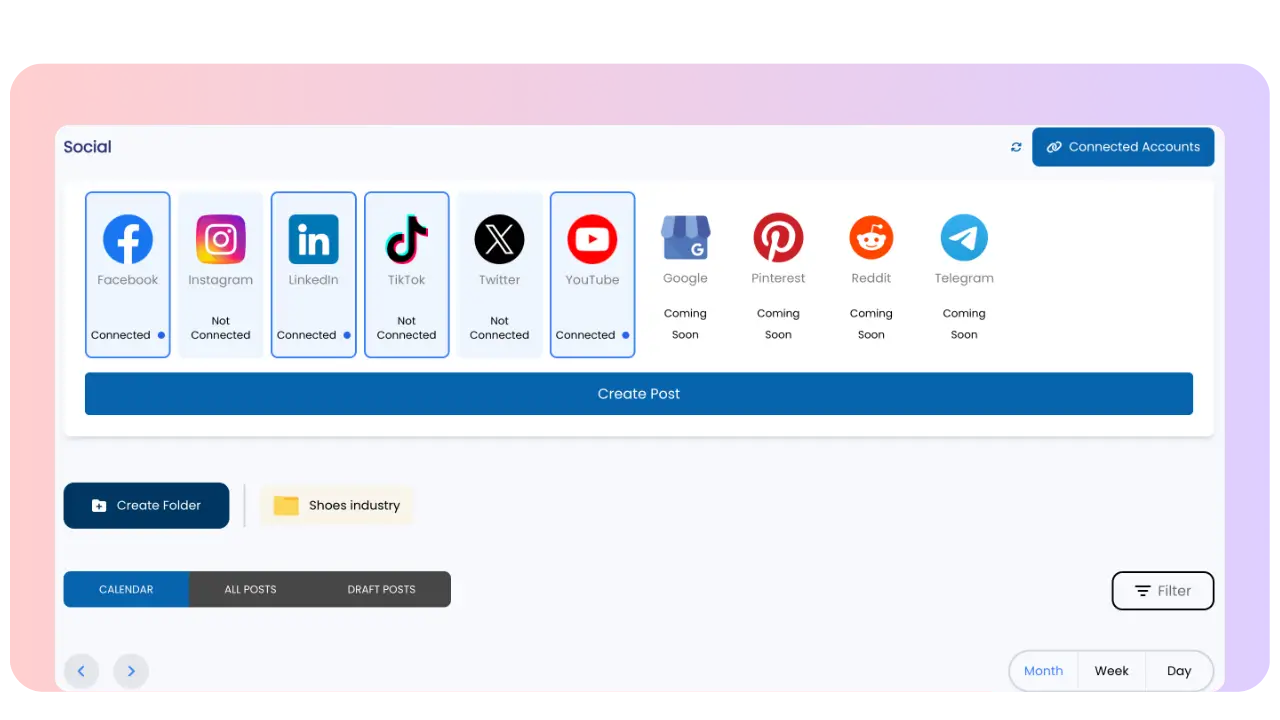
In the early days, ad management platforms were mostly about reporting and basic scheduling. Now, ad campaign management platforms do much more. Campaigns can be created, refined, and optimized continuously across channels from one central place. That changes both results and how work feels day to day.
Saying Goodbye to Manual Campaign Setup
If you have ever built campaigns by hand, you know how long it can take. Create an audience here. Write copy there. Resize images. Set bids. Repeat the same steps on every platform.
Automation turns this into a much smoother process. You start with simple inputs like your goal, location, and budget. From there, the system builds campaigns using setups that already perform well.
Instead of assembling everything piece by piece, teams review what has been created, make a few adjustments, and move on. Less time spent setting things up means more time thinking about the bigger picture.
Why Everything Starts Moving Faster
Speed is usually the first thing people notice, and for good reason. When automation steps in, all those small, repetitive tasks that quietly slow everything down start to disappear. No more waiting while assets are resized, settings are copied over, or campaigns are rebuilt from scratch on each platform. Things just move.
Campaigns move faster because:
- Creatives are generated or adjusted automatically, so you are not stuck reworking the same visuals again and again
- Targeting follows patterns that are already proven, which removes a lot of trial and error at the start
- Budgets react to performance as it happens, instead of waiting for someone to step in and make changes
- Platform formatting is handled in the background, so ads fit where they need to without extra work
What this really means is less waiting around and more momentum. Teams can launch campaigns quickly, test ideas sooner, and respond to changes without panic. When timing matters, like a limited offer or a sudden spike in demand, that speed can make a real difference. It keeps campaigns moving forward instead of holding them back.
Optimization Without Waiting Around
Traditionally, optimization happens in chunks. Teams check performance once a week or once a month and then make changes.
Automation does not wait. It looks at performance all the time and makes small adjustments as needed.
That often means:
- Stronger ads get more budget
- Creatives refresh when interest drops
- Targeting shifts as behavior changes
- Bids stay aligned with what is working
The result is steadier performance and fewer surprises.
Keeping Everything Aligned Across Channels
Running ads on multiple platforms can get messy fast. Messages drift. Visuals lose consistency. Reporting feels scattered.
Automation helps keep things aligned. Campaign goals, creative themes, and structure stay consistent even when ads run across search, social, video, and messaging channels.
This makes it easier for teams to see what is actually working and easier for audiences to recognize the brand.
Reports That Actually Feel Useful
Reporting used to mean digging through spreadsheets and trying to spot patterns. Automated campaign management makes this feel a lot more human.
Instead of raw numbers, teams see insights like:
- Which creatives perform best overall
- Where budget efficiency is improving
- How audiences respond at different stages
That saves time and makes decision-making less stressful.
People Still Play the Most Important Role
Automation does not replace experience. It changes how that experience is used.
People spend more time:
- Setting clear goals
- Reviewing automated decisions
- Adjusting strategy when needed
- Shaping creative direction
The hands-on work decreases, but thoughtful input becomes even more important.
What This Looks Like for Agencies
An AI advertising platform for agencies can really take the pressure off. When you’re growing, it doesn’t have to mean your team gets stretched too thin.
With automation, a lot of the heavy lifting gets handled for you, which makes things feel a lot more manageable. For example, it becomes easier to:
- manage ads for multiple clients from one place
- Keep campaign quality consistent across the board
- onboard new clients faster
- Share clear, easy-to-read reports
And here’s the part agencies love most; using white-label ad management software helps you keep branding consistent for each client while you scale. It’s a simple way to grow without burning out.
Keeping Things Safe and on Track
Even with automation doing most of the work, you still need someone watching the dashboard. It’s not like you can just switch it on and forget it. Automation helps a lot, but it still needs direction and a few rules to keep things from going off track.
That’s why guardrails matter. Without them, automation can start making decisions that don’t match the brand or the goals, and that’s when things get messy.
Most teams keep things safe with a few simple checks, like:
- Budget limits
This is the first line of defense. When campaigns start performing well, systems can quickly scale spending. Budget limits make sure that it doesn’t spiral out of control.
- Approval steps
Even if campaigns are generated fast, a human still needs to give the final sign-off. It helps catch any mistakes before the ads go live.
- Controlled access
Not everyone should be able to change everything. Limiting access prevents accidental edits and keeps the process clean.
- Regular creative reviews
Automation can rotate creatives, but it can’t always tell if the message still fits the brand. A quick review helps keep the tone consistent and avoids ads feeling stale.
These checks aren’t about slowing things down. They’re about making sure automation works smoothly and safely. With the right guardrails, automation can move fast without causing chaos.
Where Marketing Teams End Up
Fully automated campaign management shifts marketing from constant hands-on work to smarter coordination. Teams gain time, clarity, and more stable results.
As tools improve, success depends less on managing platforms and more on guiding them well. Many teams eventually see that AI for ecommerce works best as a support system, helping people do their best work without getting in the way.
Conclusion
Once an advertising agency can completely automate the management of its advertising campaigns, the chief change that will occur is how much easier it is to operate in the environment created by the automated processes. Rather than feeling rushed and making more expensive errors, people will have time to think through things rationally and will feel more relaxed.
Automation enables complex advertising operations to be organised; therefore, they can be expanded without the unnecessary stress caused to the employees, allowing both advertising agencies and clients to operate in an efficient, calm, and productive manner.
Want smooth automation? Plai helps you launch and scale campaigns without the hassle.
Frequently Asked Questions
1. Does automation make ads feel less personal?
Not really. Automation handles the boring parts, while people still shape the message and tone. In fact, it can free up time to make campaigns more human and targeted.
2. Can automation work for any business size?
Yep. Whether you’re a small local shop or a bigger agency, automation can help you run campaigns more smoothly and scale without getting overwhelmed.
3. Will automation actually lower ad costs?
Often it does. Because automation optimizes bids and budgets in real time, it can cut waste. But it still depends on your goals and strategy.
4. Does automation mean you don’t need a marketing team anymore?
Nope. It doesn’t replace people. It just changes what they spend their time doing; less manual work, more strategy and creativity.


Similar posts

⚡Trusted by 200K+ campaigns


